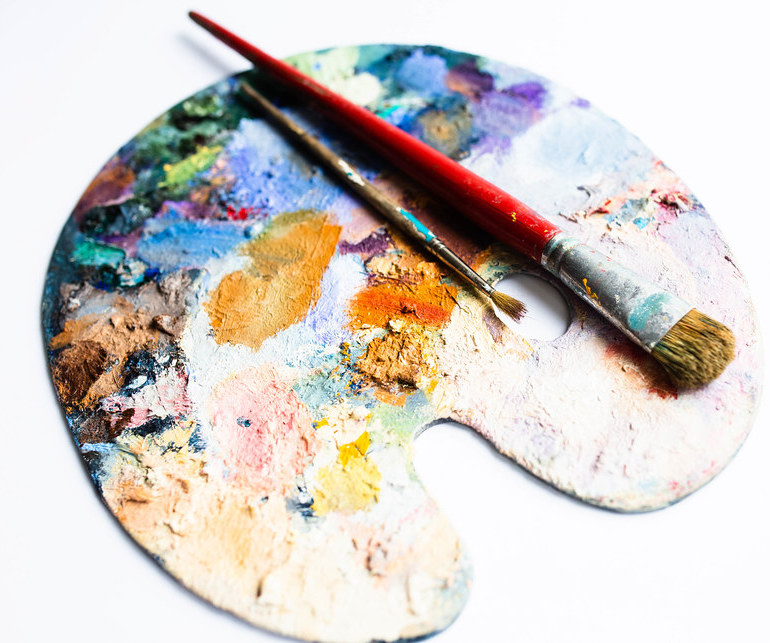
Any topic can be explored in a creative way, so the possible use’s of art in your classroom are endless. Especially for youth, using art and visuals to explore complex topics can make the information more comprehensible and enjoyable!
Motor skills – Manipulating materials and tool, cutting, tearing, painting, forming, sculpting…
Literacy – Art can be used to practice literacy skills such as printing and spelling, or art can help student grasp more complex concepts such as symbols and metaphors. Furthermore, art can help students communicate in diverse ways.
Personal development – Topics surround surrounding mental heath, relationships, ANYTHING AT ALL, can be addressed artistically! Students learn new ways to express themselves and their ideas. Students can practice cooperation in group projects, or can take pride in sharing their work with others. Furthermore, students practice taking responsibility and respect by caring for the art supplies properly.
Culturally responsive and relevant pedagogy (CRRP) – Discuss art of other culture, give the opportunity to share art from their own culture, and address topics surrounding diversity using art.
Art – Students will learn about color mixing combinations, complimentary colors, learn about different artists, art styles and movements, learn about different materials and tools, learn art terminology…
Science – Students learn about states and qualities of liquids, powders, etc. Students can collect different materials to use in their art! Use found objects by incorporating them in the art directly or as stamps, brushes, tracers, textures, paints…
MATERIALS
- Recycled materials – (egg cartons, milk jugs, cardboard, jars, cork, styrofoam, plastic, yogurt containers, mesh, magazines, scrap fabric or old clothing (to decorate), newspaper, bubble wrap, wire, wallpaper, toilet paper rolls…
- Unusual items (some unusual item can also be recycled) – Toothbrushes, medicine droppers, sponges, spray bottles, coffee filters, foil, popsicle sticks, tissue paper, wax paper, ribbon, cotton, straws, toothpicks, quo tips, buttons, paper plates…
- Materials from nature – Leaves, sticks, bark, rocks, feathers, dirt, mud…
- Other supplies – paint, clay, chalk, crayons, markers, beads, glitter, stickers, canvas, yarn, pipe cleaners, paint rollers, ink, paper…
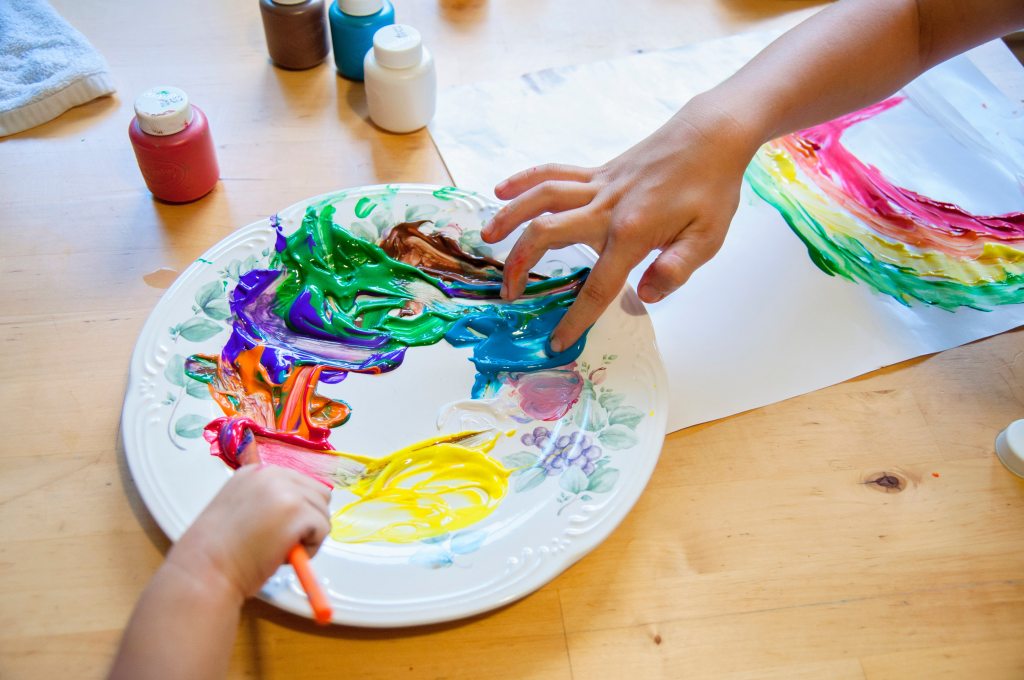
- Environment – Easel, paint palette or trays, table covers/newspaper, painting smocks or old shirts, paper towel, recycled containers for water or paint, drying racks…
- Tools – Brushes, stencils, stamps, tape, glue, scissors, hole punches, scraping tools, clay tools…
- For hanging the art – clothes pins, fishing line, yarns, pins, hangers…

IDEAS
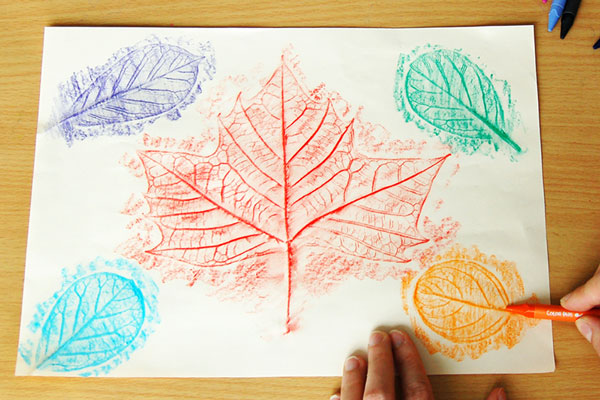
- Trace, stamp, or imprint different types objects (such as leaves) onto paper using paint or crayons to teach them about a variety of topics
- Culturally responsive and relevant pedagogy – Ask students to draw their families, their homes, their cultures, traditional meals and celebrations…
- Draw your own illustrations to accompany or create a story, or to express the meaning of another story told in class.
- Have children explore their identities by drawing their interests and hobbies, strength and weaknesses, goals and dreams…
- Explore emotions and feeling by having children draw your feelings and emotions.
- Draw or create different animals and insects, vehicles, plants, planets, jobs, maps, flags, weather and terrain…
- Help students set up galleries to share and talk about their art.
 Lost in Taught