Literacy – Terminology (learn different instruments and music vocabulary – fast/slow, high/low, loud/soft, rhythm, vocal, beat, duet, accompany sounds, performance, duet…), fallowing along to the words when singing, writing songs,
Math – Beat out math (beat 5 times, beat the answer to 5+5), pattern recognition
Motor skills – Creating instruments (making their own shakers), Using their bodies as instruments, manipulating/using objects (drum sticks, tambourines), following a rhythm in time
Science and Engineering – experimenting with sound and vibration, creating their own or using found objects as instruments
Personal Development – Creating, sharing, and taking pride in their work, appreciating the work of others, working together (through production or individual roles in playing a a song with their class), exploring new ways to express themselves
Culturally responsive and relevant pedagogy (crrp) – Listening to music of other (and their own) cultures, learning to play instruments of other (and their own) cultures. Ask students to bring in instruments from their culture to share with their class!
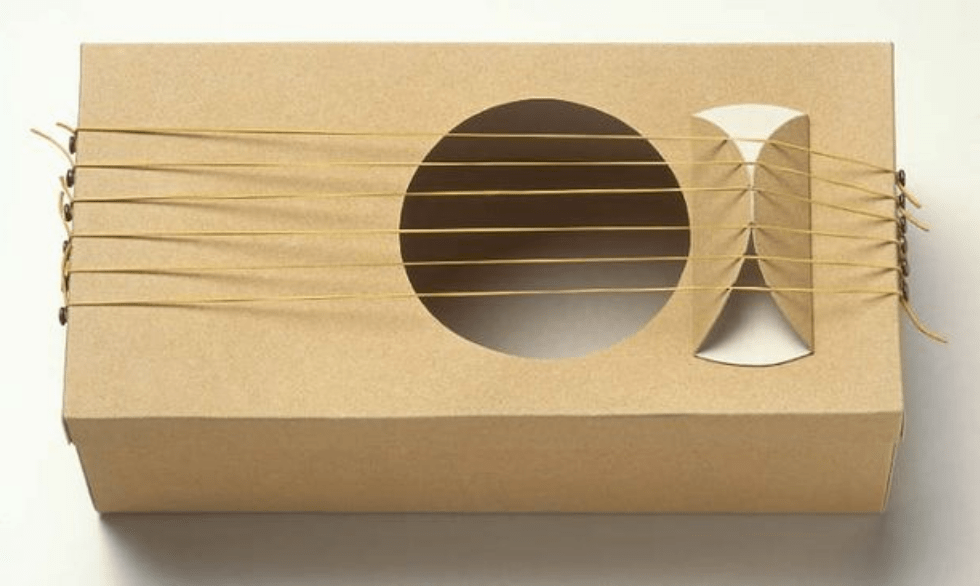
MAKE YOUR OWN INSTRUMENT
There are endless ways to make musical instrument in your classroom… so why not leave it up to the individual student for a STEM project! Have students create experimental procedures, explore different options, create material lists. The students can “order” any need material and find many others in the recycling or in the outdoors.
What materials worked best? What materials did not work? Why?
SHAKERS
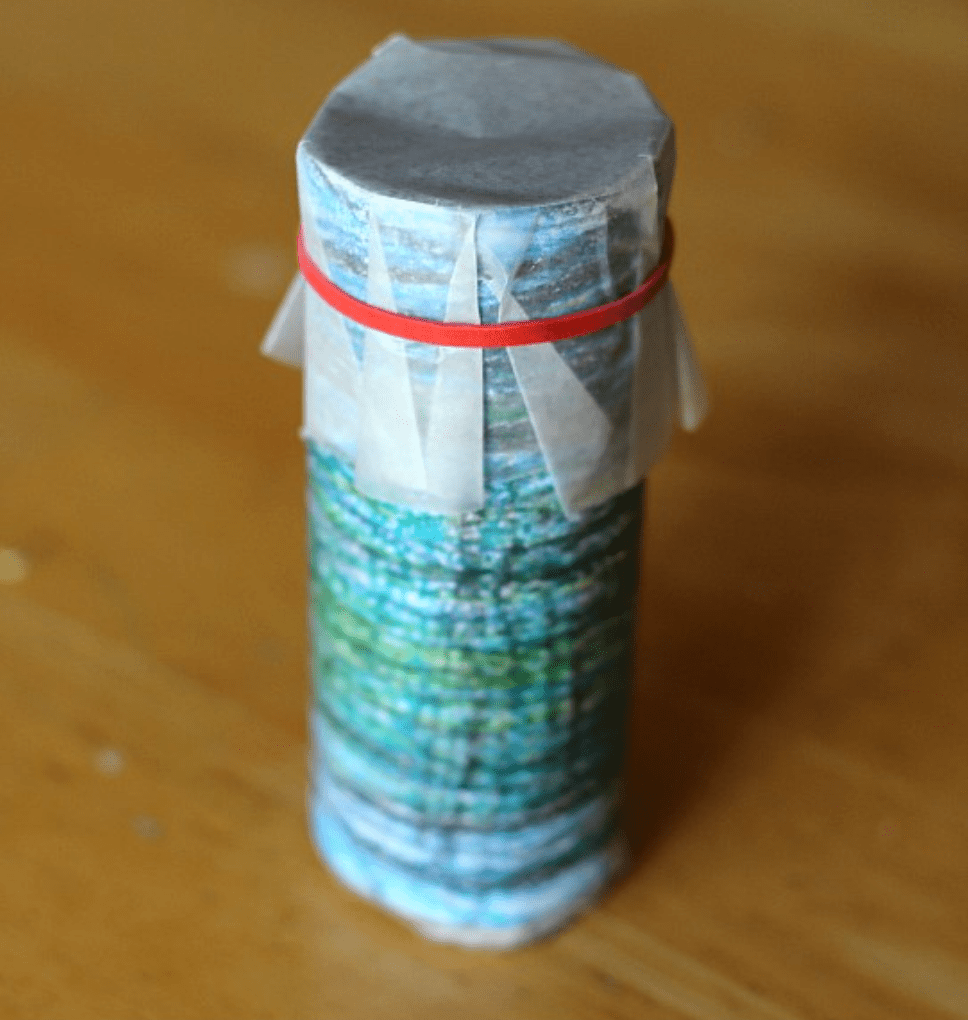
MATERIALS
- Tape/glue/rubber bands
- Cans/jars/bottles/plastic eggs/cups/toilet paper roll/paper plates/card board boxes…
- Tissue paper/aluminum foil/plastic wrap, balloons (for the rubber)…
- Beads/buttons/bells/tin foil balls/beans/coins/paper clips/rocks/sticks…
- Scissors
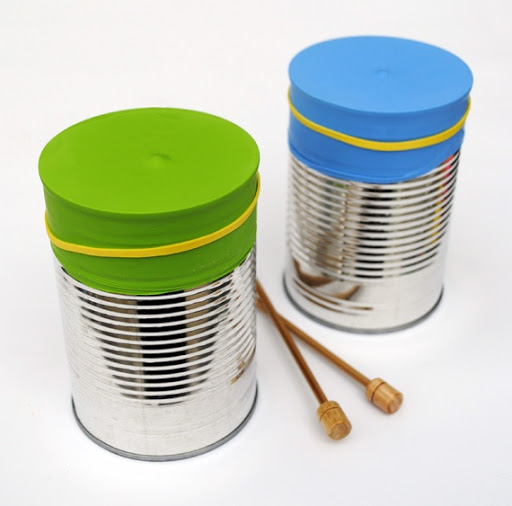
DRUMS
Create your own drums … and your mallets!
Test different materials, how does it change the sound and vibration?
MATERIALS
- Cans/bowls/tubs/cups…
- balloons (for the rubber)/plastic wrap/recycled materials
- Tape/glue/rubber bands
For the mallets
- Sticks, popsicle sticks, spoons, recycled materials, items found in the classroom (pencils, rulers…)
- For the end of the mallet – rubber bands, cotton, yarn, pipe cleaners, sticky tack, rubber balls…
- Glue/tape
- Scissors
 Lost in Taught